LONGMAN TEMPLETON
Longman Templeton writes as a deeply skeptical, iconoclastic materialist critic of organized religion.
Rather than approaching scripture as revealed truth, Templeton treats it as a human artifact — the product
of specific people, in specific crises, at specific points in history — and traces how those texts hardened
into institutions with the power to define “truth” for everyone else.
Templeton's method is comparative and historical: reading Genesis, the Old Testament, and the Gospels
alongside the Egyptian, Babylonian, and Persian history that surrounded them, and asking a simple question
of every doctrine — who benefited from people believing this? The resulting work is clinical rather than
devotional, more interested in exposing the mechanics of belief than in mocking believers.
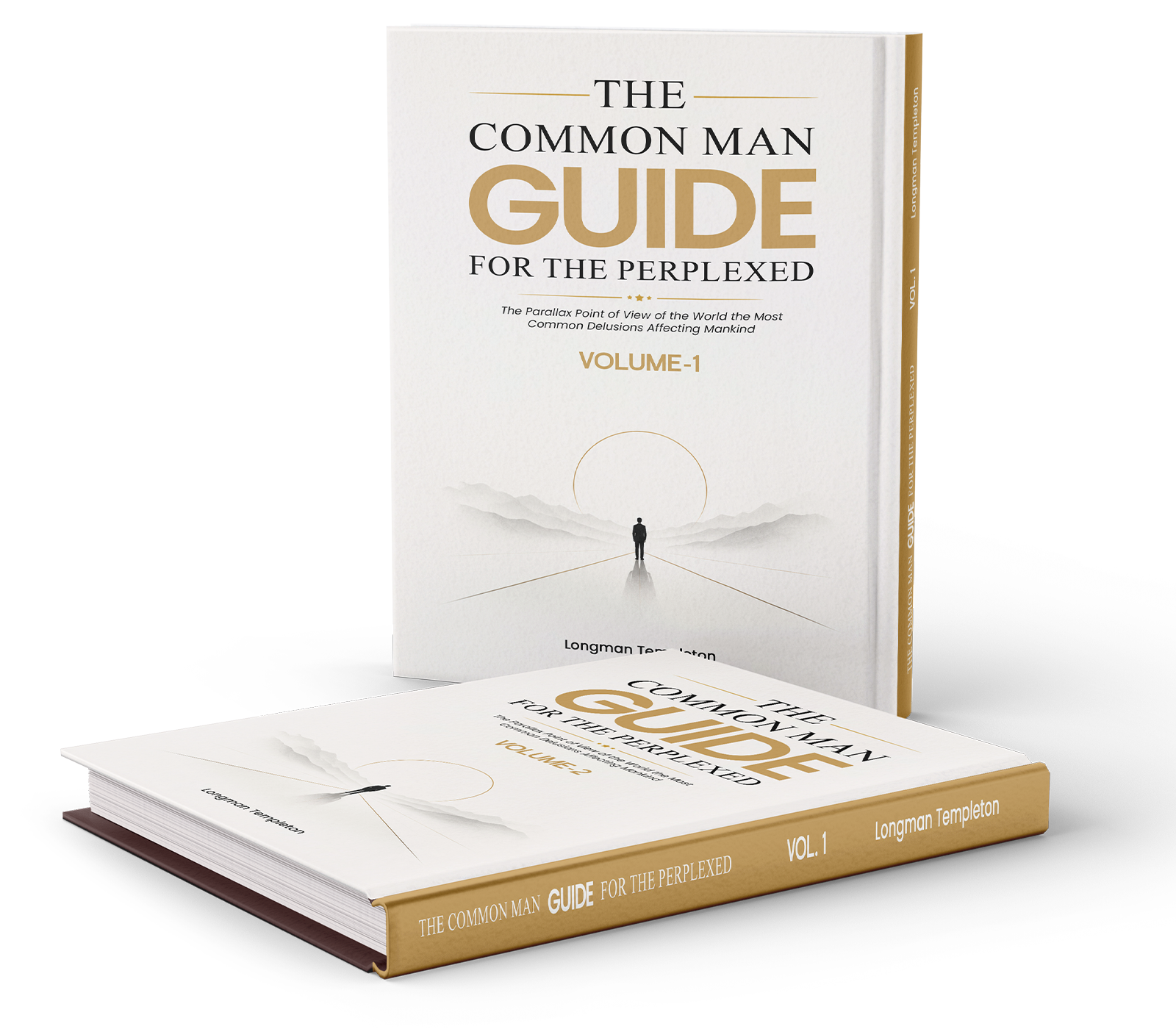
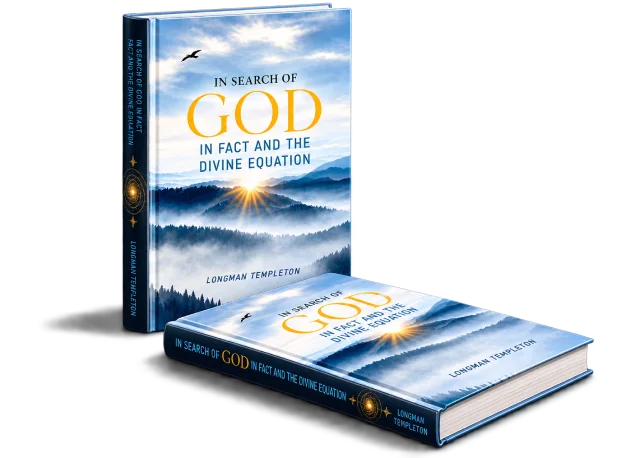
Across both books, the throughline is the same: knowledge that is hoarded by a priesthood — ancient or
modern — is a tool of control, and knowledge that is returned to the common man is the beginning of freedom.





 1 min to read